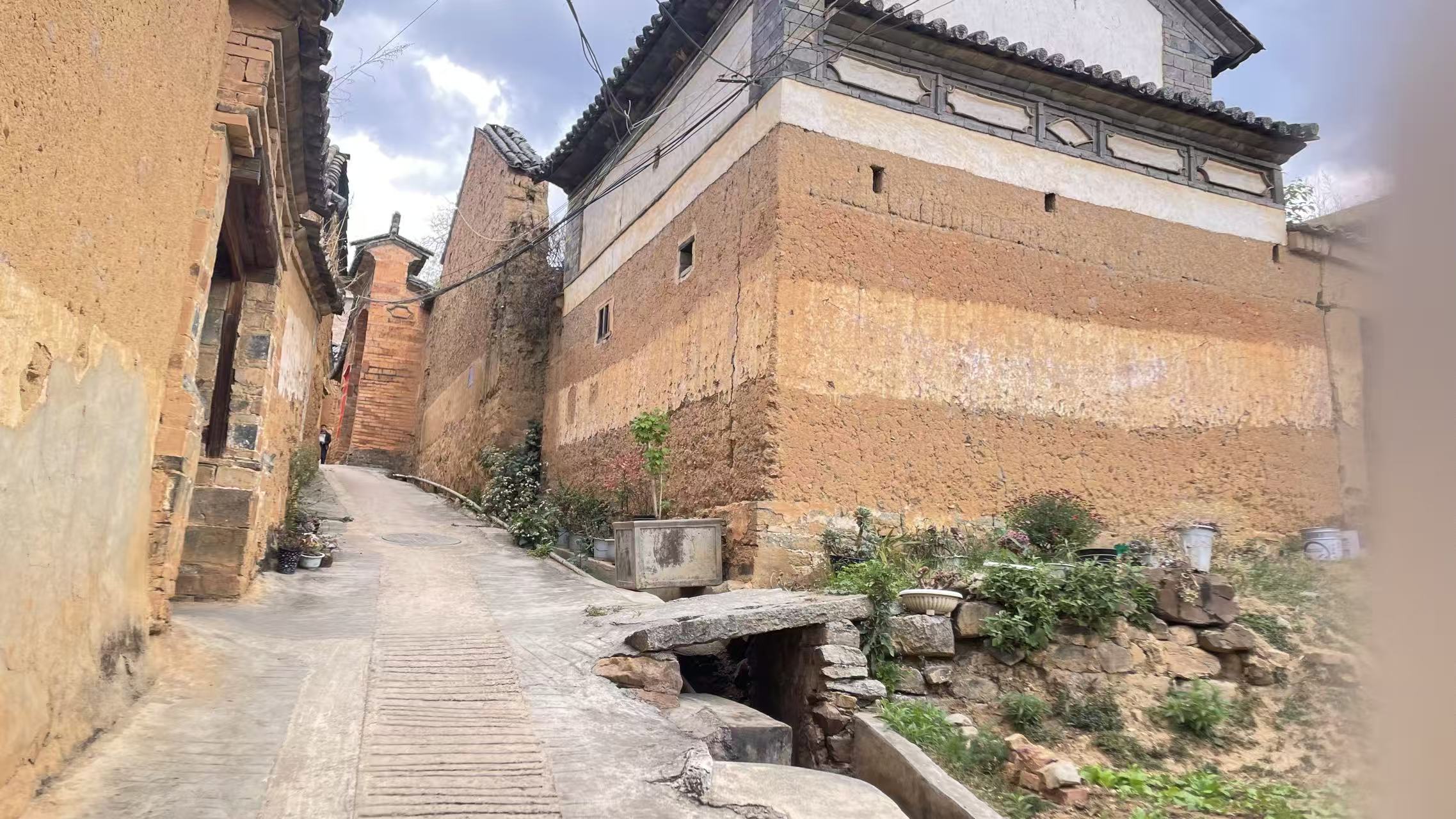
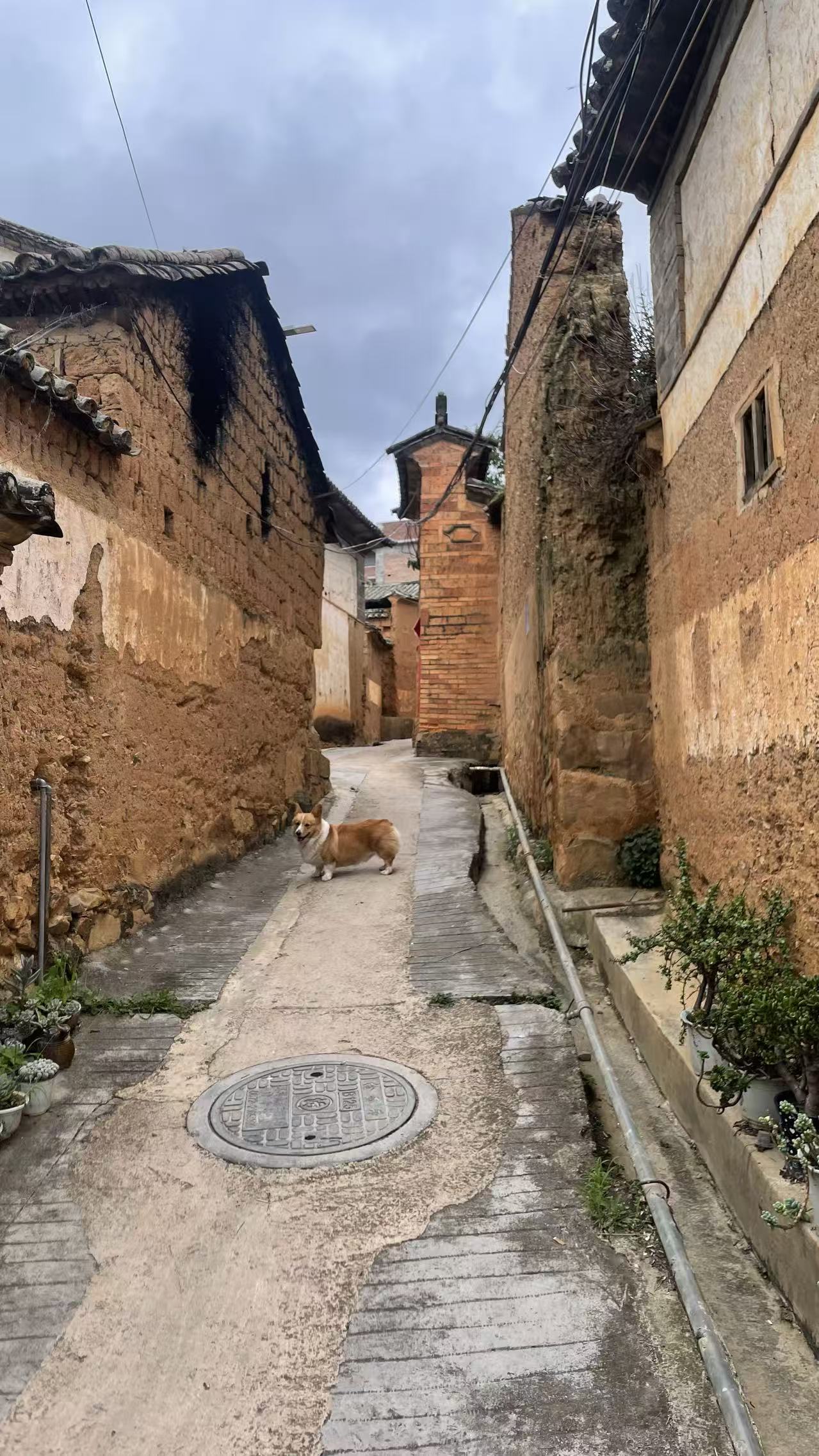
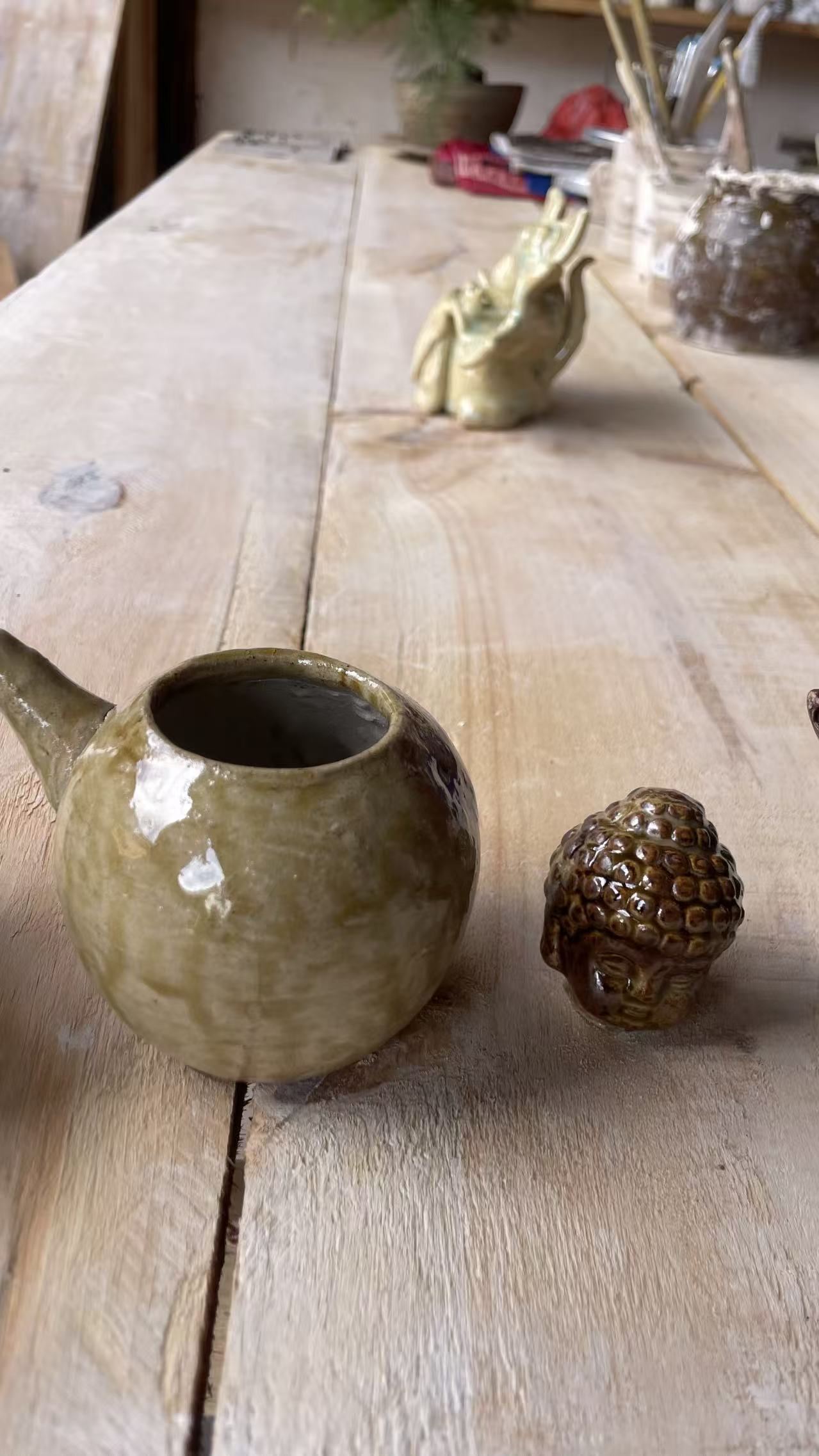
9;00am you get your own Didi to Jintian Village at Xiaguan Dali , upon your arrival our local aritan welcome you at front of villge
11 :00 simply wander through the alleys of village,visit few of local artian workshops and village courtyard visit 600 year pottery traditional Dragon kiln,walk up to clay hills digging different kind of clay ,recognise clay and raw materal of Glaze ,you will get learn what kind of color will get from this Glazed by formualized with underground receipt by local handcraftman
11:30 bring back all clay we fund from mountian backr to handcraft countyard , local artian will introuduce there family pottery making history show every piece of article they make , then tell all details of how from raw clay fermented process to shaping and Glazing and buring at Kiln become a beauiful article.
12:30 Lunch at local family
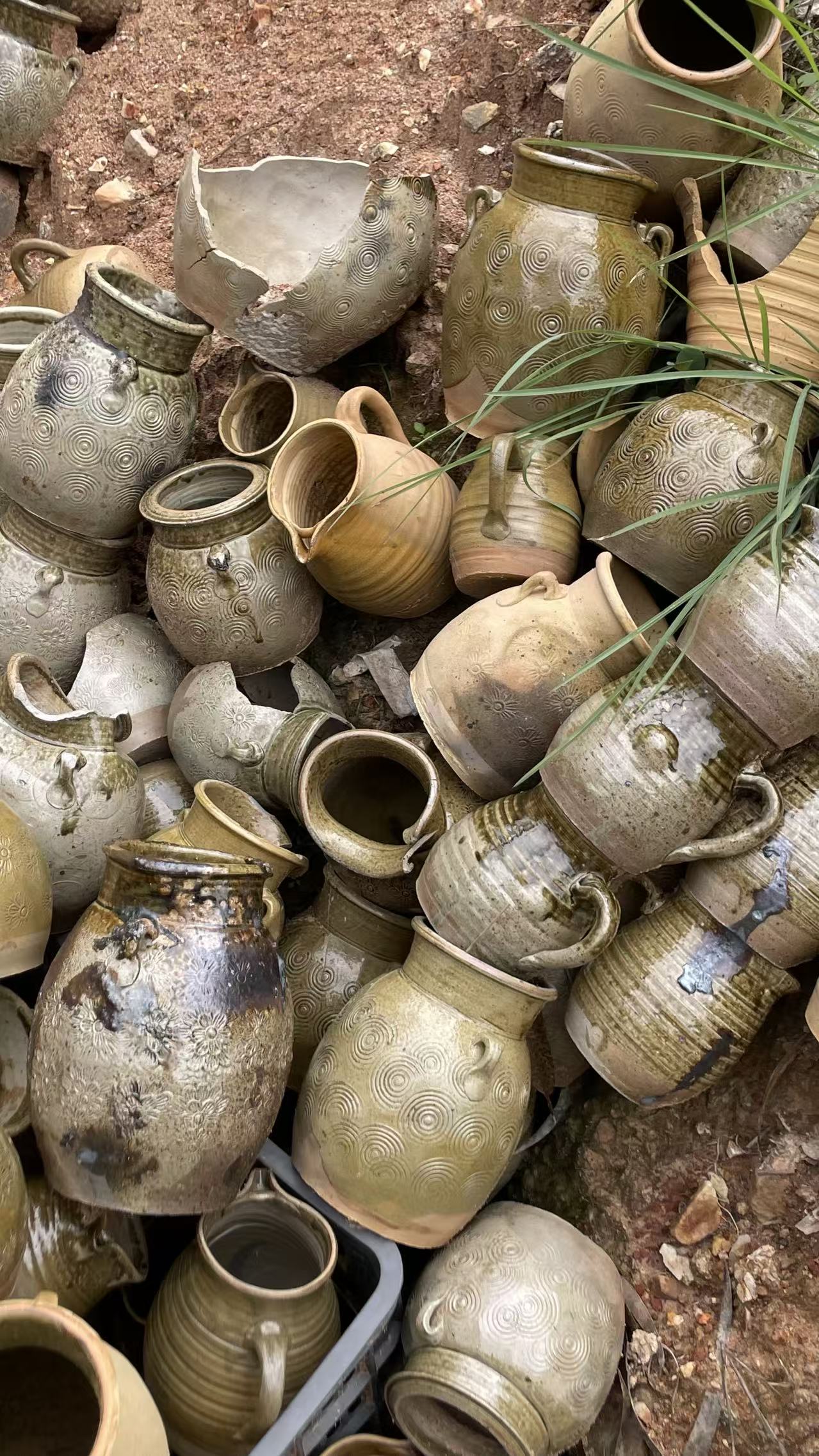
Immerse yourself in an authentic cultural exchange during a specially arranged lunch with local artsian . This intimate experience offers more than just a meal—it’s a window into the daily life, traditions,you can see all handcrafted pottery, from plates to cups, made on-site. served on pottery unique to the family’s craft—a true “farm-to-table” meets “clay-to-table” experience.
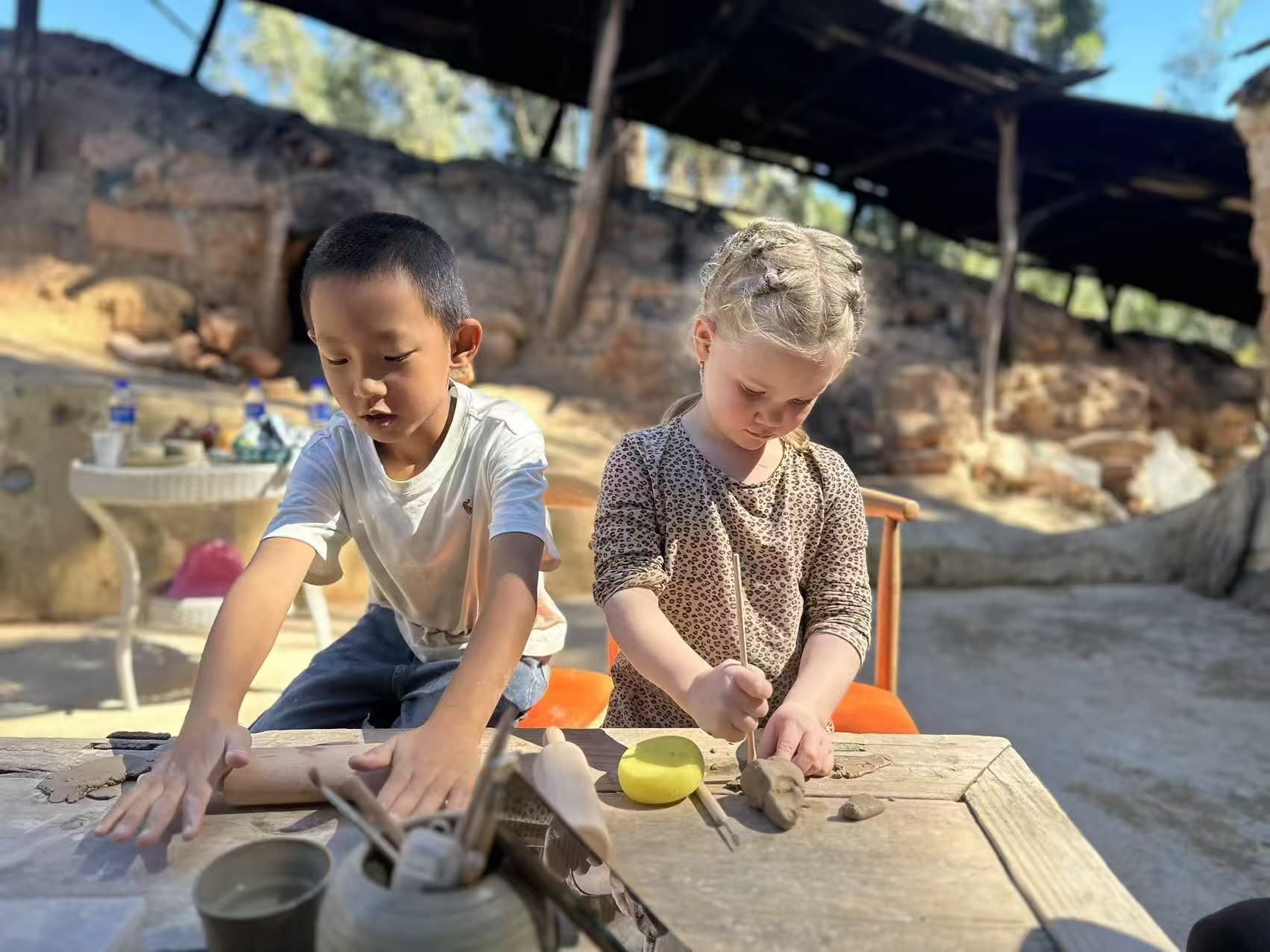
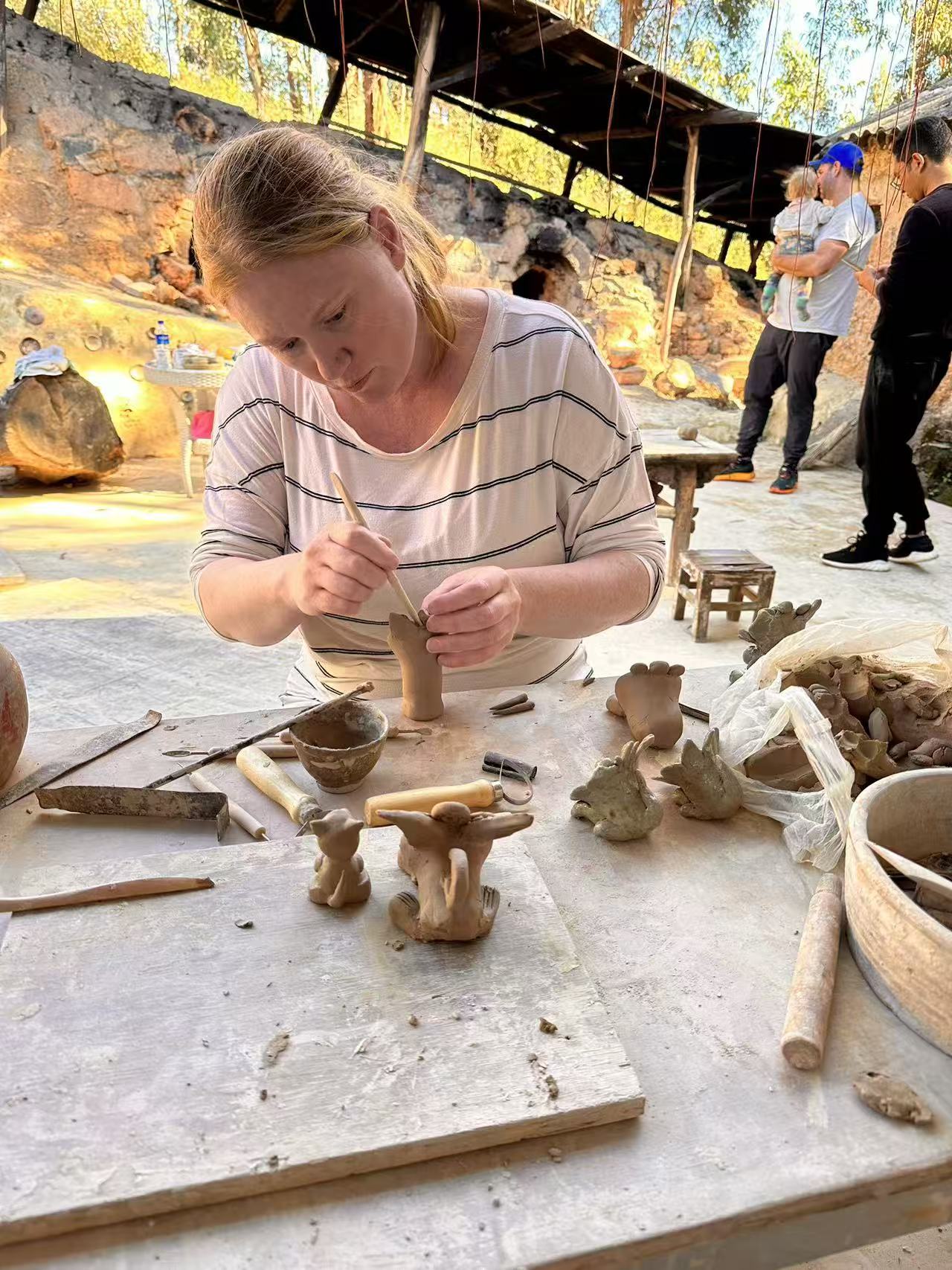
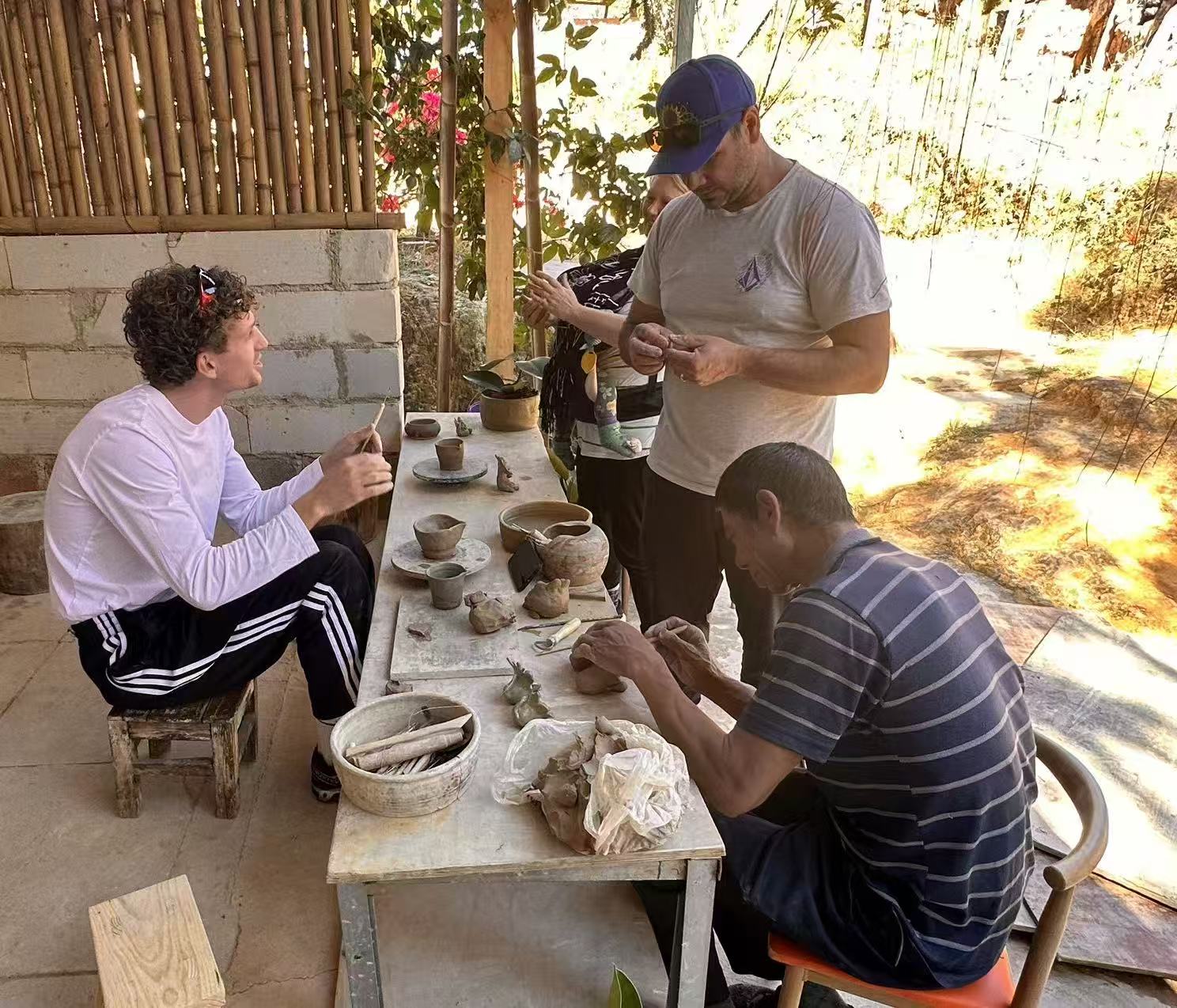
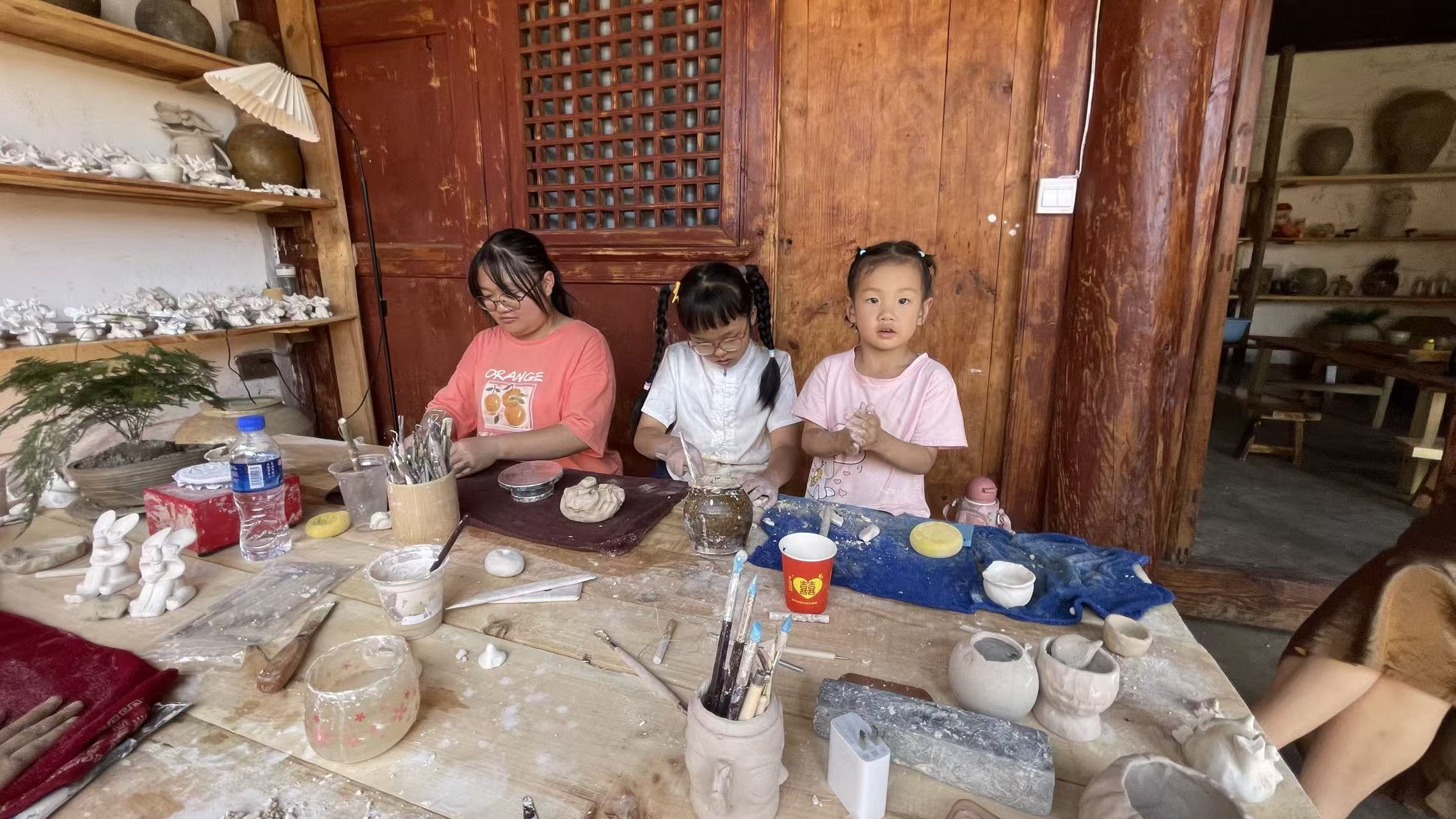
1 pm after lunch our handcraft experience start with tutor local Master
tage 1: Clay Preparation
This is the essential, often unseen, first step.
-
Digging & Sourcing: Raw clay is dug from the earth. It is rarely perfect and often contains impurities like rocks, roots, and air pockets.
-
Slaking Down: The dry clay is broken down and mixed with water to create a slurry. This allows impurities to be removed.
-
Drying to Workable State: The purified slurry is dried to a “plastic” or workable consistency, like stiff dough.
-
Wedging: The potter repeatedly kneads the clay on a hard surface. This has two critical functions:
-
Removes Air Bubbles: Any trapped air will expand during firing and cause the piece to explode in the kiln.
-
Creates Uniform Consistency: It ensures water and clay particles are evenly distributed, making the clay smooth, pliable, and ready for shaping.
-
Stage 2: Shaping (Forming the Article)
There are three primary methods for shaping clay:
-
Hand-Building: The oldest technique.
-
Pinch Method: Shaping a ball of clay by pinching it with fingers.
-
Coil Method: Rolling out long “snakes” of clay and stacking/spiraling them to build walls.
-
Slab Method: Rolling out flat sheets of clay and joining them to form structures.
-
-
Wheel Throwing: The most iconic method. A ball of clay is centered on a spinning potter’s wheel. As the wheel rotates, the potter uses their hands to shape the clay, opening, lifting, and forming it into symmetrical pots, bowls, and vases.
-
Slip Casting: Used for mass production or complex shapes. Liquid clay (called slip) is poured into a porous plaster mold. The mold absorbs water, leaving a layer of solid clay on the mold’s walls. Once thick enough, the excess slip is poured out, and the hollow clay piece is removed from the mold after it stiffens.
Stage 3: Drying (The First Transformation)
-
Leather-Hard Stage: The shaped clay is left to dry until it becomes firm but still cool and damp to the touch (like leather). At this stage, it is strong enough to be handled without losing its shape.
-
Trimming & Finishing (Greenware): In the leather-hard stage, excess clay is trimmed away, handles are attached (score and slip technique is used to join pieces), and surface details are carved. This is called greenware.
-
Bone-Dry Stage: The piece is left to dry completely until all moisture has evaporated. It is now very fragile, chalky in color, and ready for its first firing. Any remaining moisture will cause steam and explosion in the kiln.
Stage 4: Glazing (Adding Color & Glass)
Glaze is a glass-like coating made from finely ground minerals. It is applied to the bisque-fired piece (see below).
-
The First Firing (Bisque Firing): The bone-dry piece is fired in a kiln to a temperature of around 900°C – 1000°C (1650°F – 1830°F). This transforms the clay into a permanent, hardened, and porous state called bisqueware. It is no longer water-soluble and is much stronger, ready to absorb glaze.
-
Applying the Glaze: There are several methods:
-
Dipping: The bisqueware is quickly dipped into a bucket of liquid glaze.
-
Pouring: Glaze is poured over and inside the piece.
-
Brushing: Glaze is painted on with a brush, allowing for detailed designs.
-
Spraying: Glaze is sprayed on for a very even coat.
-
The artisan must be careful not to get glaze on the bottom of the piece, as it would fuse to the kiln shelf during the next firing. The area is wiped clean or left unglazed.
Stage 5: The Final Firing (The Magic of Transformation)
This is the most critical and dramatic step.
-
Loading the Kiln: The glazed pieces are carefully placed inside the kiln on special shelves, with enough space between them.
-
The Firing Process: The kiln is slowly heated to a very high temperature, often between 1200°C – 1300°C (2200°F – 2400°F) for stoneware and porcelain. This process can take many hours.
-
The Chemical Magic: Inside the intense heat, two miraculous changes occur simultaneously:
-
The Clay Matures: The clay particles vitrify, fusing together to become hard, dense, and non-porous (stoneware/porcelain).
-
The Glaze Melts: The glaze minerals melt into a layer of molten glass. As the kiln cools, this glass solidifies, creating a smooth, durable, and often brilliantly colored surface.
-
-
Cooling & Unloading: The kiln must cool down very slowly over many hours, sometimes even days. If cooled too quickly, the glaze can crack or the piece can break from thermal shock. Once completely cool, the kiln is opened to reveal the finished, beautiful articles.
The entire process, from a lump of raw earth to a glazed masterpiece, is a testament to patience, skill, and the transformative power of fire.
as your time limtied as day your maybe you only have chance to Experience steps 1 ,2 ,3 .step 4,5,6 will happened around 2 times per month when all pottery has been ready to burning .
after end of this experience you take a physical object to home or just the memory the experience of creating something with your own hands in a Dali courtyard is a unique and profound souvenir.

Reviews
There are no reviews yet.